Cleaning & maintenence
Regular cleaning and maintenance are crucial to keep an accordion in top condition. This involves wiping down the exterior, dusting the bellows, and cleaning the interior reeds and mechanisms. Proper maintenance can prevent the formation of grime and rust which can affect the sound and playability. Regular maintenance can extend the lifespan of the accordion and keep it sounding its best.
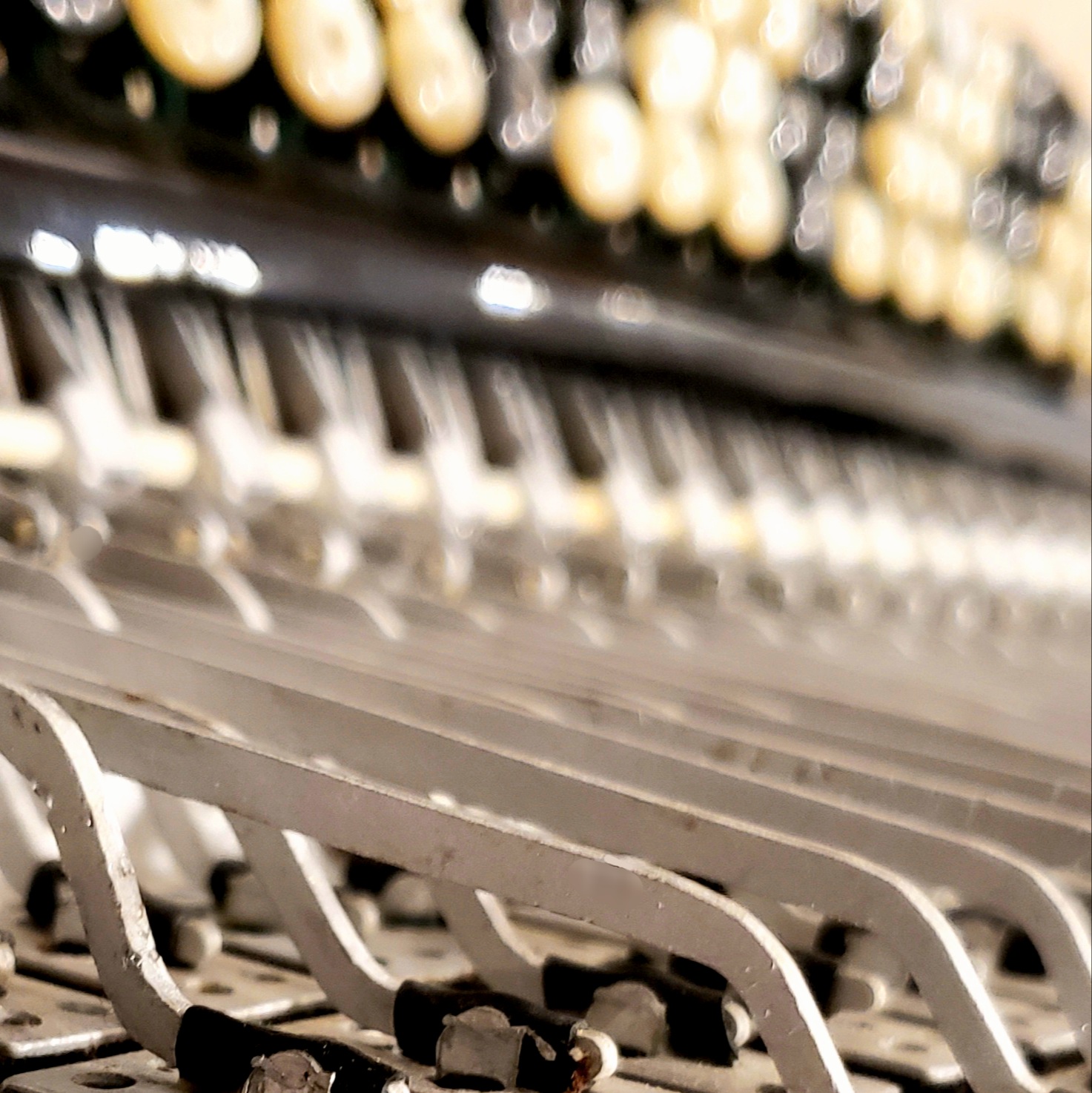
Right hand mechanisms
The right hand mechanism, whether piano or button, need precise adjustments to operate correctly. These mechanisms can become damaged or misaligned, affecting playability. Repairing these may involve adjusting key/button height, worn pads, and springs to restore proper function Regular servicing ensures a responsive and enjoyable playing experience..

Left hand mechanisms
Left hand mechanisms operate the bass and chord buttons, which are essential for the full range of accordion sounds. Whether Stradella or free-bass, these mechanisms can become stiff or unresponsive due to wear and tear. Repair involves cleaning, adjusting, and checking the alignment of the buttons. Sometimes, parts may need to be replaced to restore optimal function.
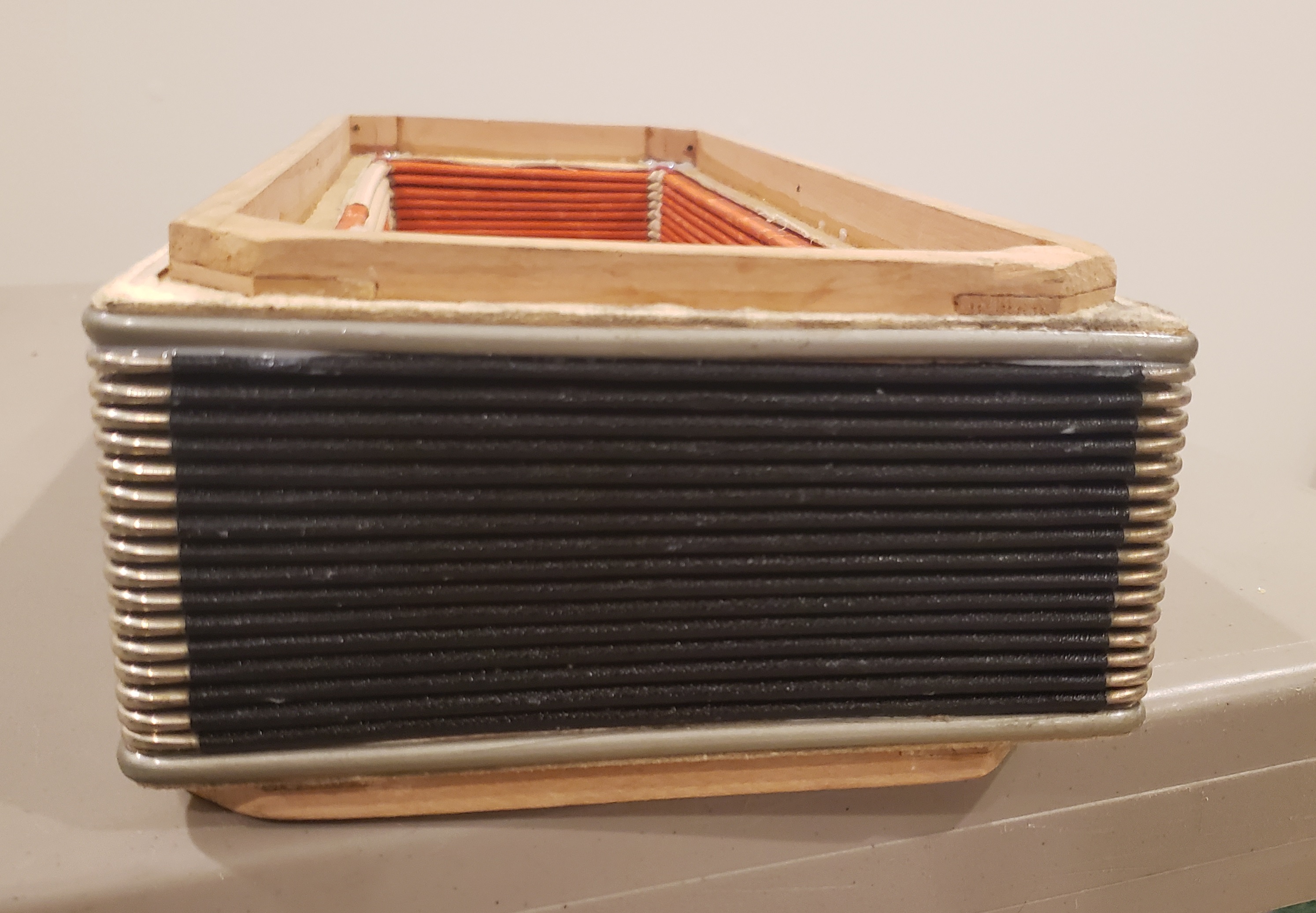
Belows
The bellows are the heart of the accordion, providing the necessary air pressure to produce sound. The bellows can lose their compression for multiple reasons. Regular inspections can prevent small issues from becoming major problems. Well-maintained bellows are crucial for consistent sound production and dynamic control.
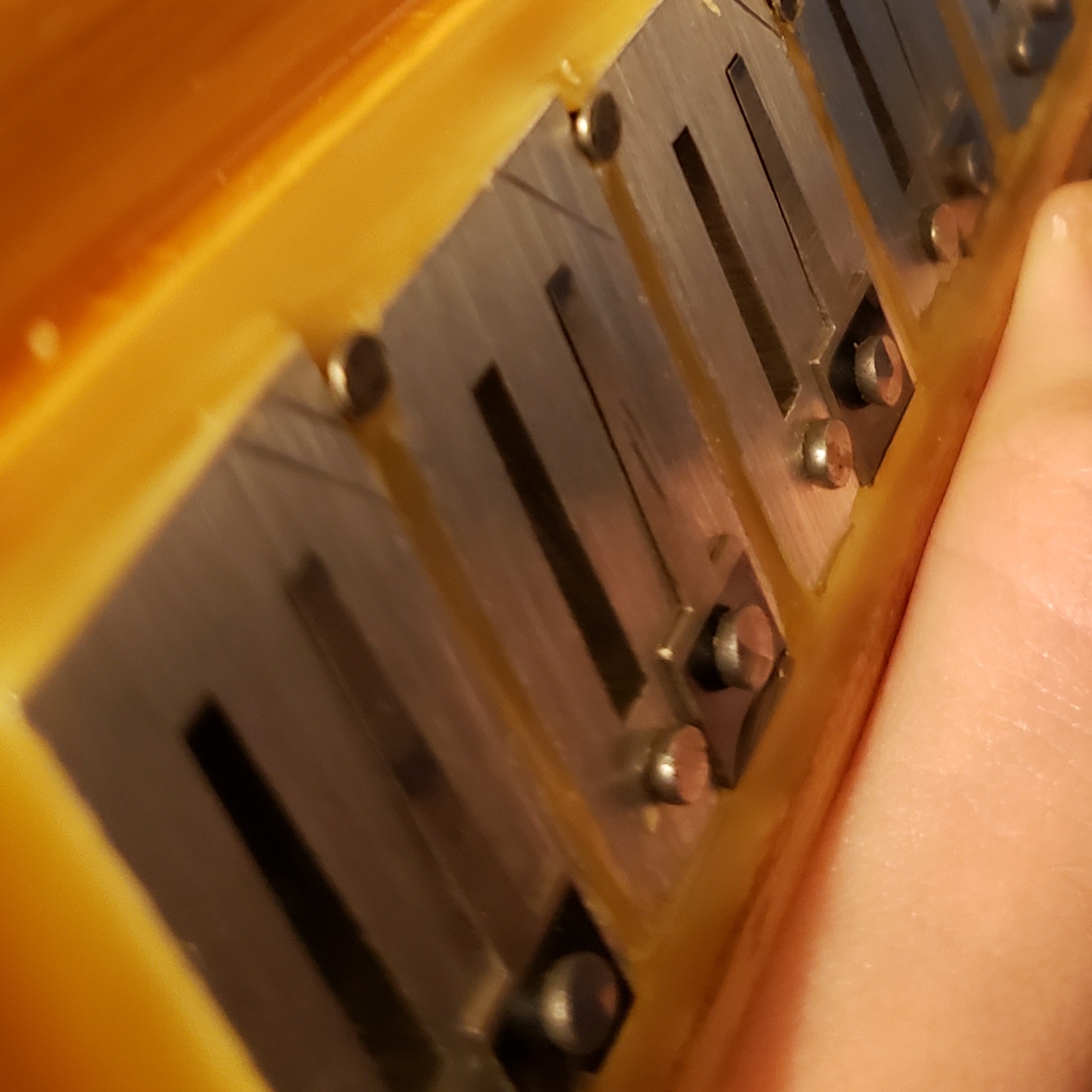
Tuning
Tuning is a delicate process that ensures each reed produces the correct pitch. Accordions can go out of tune for a number of reasons. It requires a skilled ear, experience, and patience to carefully diagnose and tune each reed of the instrument. If done with improper tools or technique, it can create significant damage to the accordion.

External
External repairs focus on the structural integrity and physical appearance of the accordion. This includes fixing scratches, dings, cracks, and other cosmetic damage to the casing. It can also involve changing hardware or accessories on the outside of the instrument.